You may have looked forward to retirement for years. Perhaps you knew your marriage needed to end. Or you finally found the courage to leave a career that no longer felt right.
So why, alongside relief or possibility, do you feel lost?
Coping with major life changes involves more than adjusting your calendar. These transitions can reshape your identity, relationships, routines, and sense of purpose. Even a welcome change can leave you standing between a familiar life and a future you cannot yet picture.
You do not need to have your next chapter figured out immediately. Sometimes, the first step is giving yourself space to understand what is changing within you.
Why Major Life Changes Can Feel So Unsettling
A job, a marriage, or a daily routine can become part of how you understand yourself. When that structure changes, practical questions often arrive alongside deeper ones: Who am I without this role? Where do I belong now? What matters to me next?
Transitions can require both new skills and a revised sense of identity. That helps explain why a change that looks positive from the outside may still feel emotionally complicated.
You might feel grateful for your freedom one day and miss your old life the next. Those feelings do not have to cancel each other out. There can be room for both appreciation and grief as you adjust.
Retirement: When Freedom Comes With a Loss of Direction
Retirement can open space for rest, relationships, and interests that once came second to work. Yet leaving a career may also mean stepping away from familiar responsibilities, social connections, and a role that helped organize your days.
Instead of immediately asking, “How will I fill my time?” consider:
- What did work give me besides an income?
- Which parts of that experience do I want to carry forward?
- What have I wanted to explore without needing to be good at it?
Your next chapter does not have to become another achievement project. You can experiment with a different pace before deciding what a meaningful retirement looks like for you.
Divorce: Finding Yourself Beyond a Shared Identity

Divorce changes more than relationship status. It may alter your home life, friendships, finances, and the future you once imagined. Even when separation is your choice, adapting to those changes can bring uncertainty and grief.
Rather than pressuring yourself to “start over,” consider what you would like to rediscover.
Perhaps you want to reconnect with a neglected interest, make decisions without seeking approval, or create a home routine that feels like your own.
You might journal about one question: “What do I want my everyday life to feel like now?”
There is no requirement to answer it all at once. Begin with one preference, one boundary, or one choice that reflects who you are today.
Career Change: Moving Forward Without Complete Certainty
A career change can feel like stepping away from an established version of yourself. You may be excited about new possibilities while wondering whether you made the right decision. Career transitions can challenge familiar routines and your sense of competence or direction.
Try separating practical uncertainty from personal worth.
Not knowing your next professional step does not mean you have nothing to offer. Consider writing two lists: “What I already bring” and “What I still need to learn.”
Then choose one manageable action, such as speaking with someone in a new field or researching a training option. You can explore a direction without demanding certainty about your entire future.
Coping With Major Life Changes Without Rushing Yourself
When life feels unfamiliar, the urge to make everything feel settled can be strong. Instead, consider a few gentle anchors while you adjust.
Create a simple daily rhythm
Choose a few activities that give your days shape: a regular breakfast, a walk, time with a friend, or a quiet evening routine. Think of them as supportive touchpoints, not another demanding schedule.
Make room for reflection
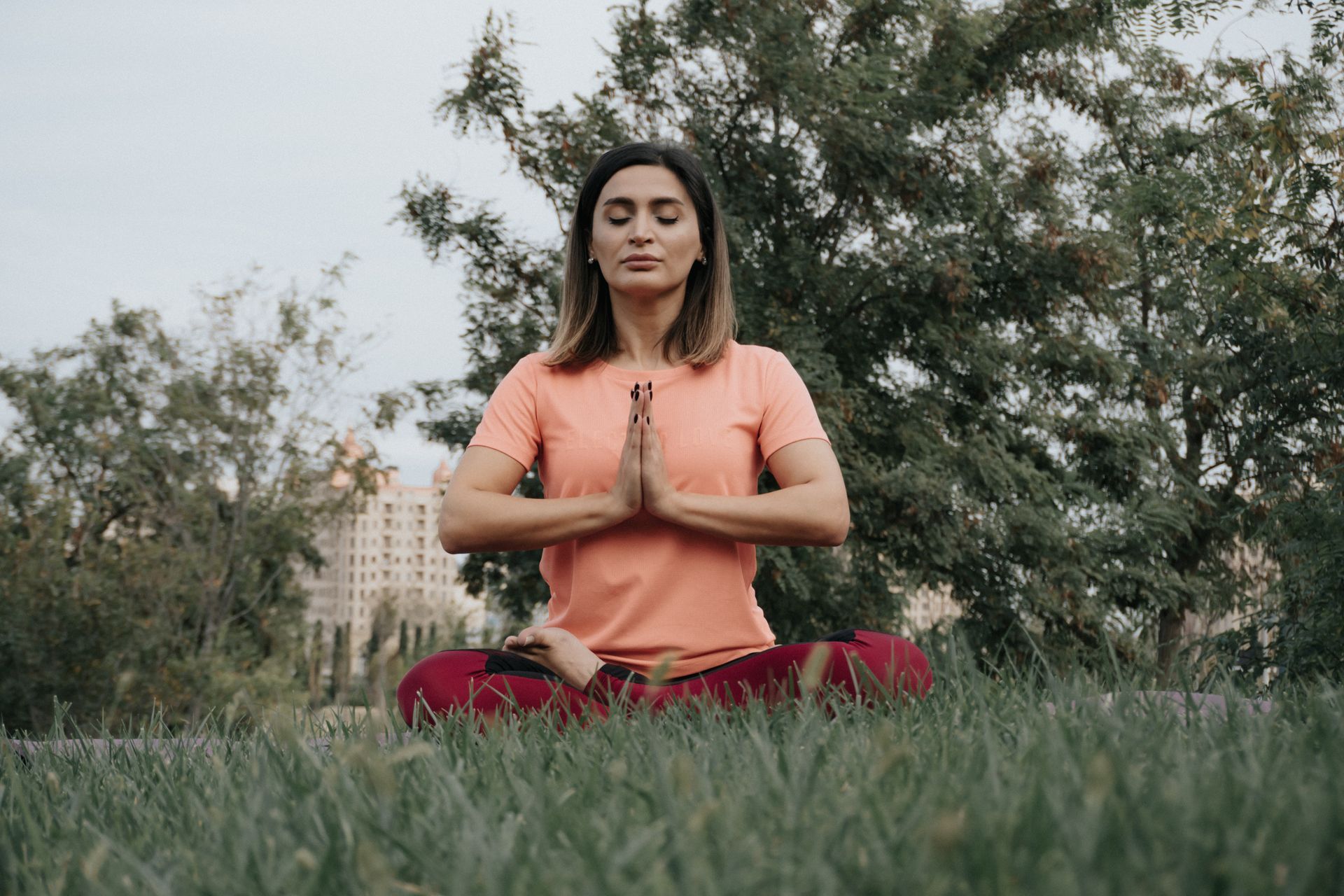
If spiritual practices are meaningful to you, try meditation, prayer, or reflective writing. You do not have to force a revelation. A useful starting question might be: “What needs my attention today?”
Choose a next step, not a complete reinvention
You may not know where this transition will lead. For now, consider what would make the coming week more manageable or meaningful.
Moving through change can involve acknowledging uncertainty rather than trying to remove it immediately.
How a Private Healing Retreat Can Create Space

Sometimes, reflection is difficult when you are surrounded by the responsibilities and reminders of everyday life. A private healing retreat offers dedicated time to step back and focus on your own needs.
Two Angels Healing’s individual retreats in New Jersey are personalized for individual goals, including support during life transitions. The sample three-day package includes a pre-retreat consultation, holistic wellness support, meditation training or guided imagery, stress-management sessions, and a follow-up phone consultation. New Jersey accommodation options include Red Bank, subject to availability and season.
The intention is not to solve your entire future in a few days. It is to make room for reflection, personal exploration, and practical next steps.
If travel is not possible, individual coaching and counseling sessions online offer another way to explore your goals and receive personalized support. Ask about availability and suitability for your location. Holistic services do not replace licensed mental-health treatment when that is needed.
Give Your Next Chapter Room to Unfold
You do not need to turn retirement into instant fulfillment, divorce into immediate reinvention, or a career change into a perfectly mapped-out plan.
Begin with space to listen to yourself.
To explore a personalized retreat or online support, contact Two Angels Healing or call 917-932-3083 for a free 15-minute consultation. Share what is changing in your life and ask which approach may fit your needs.